



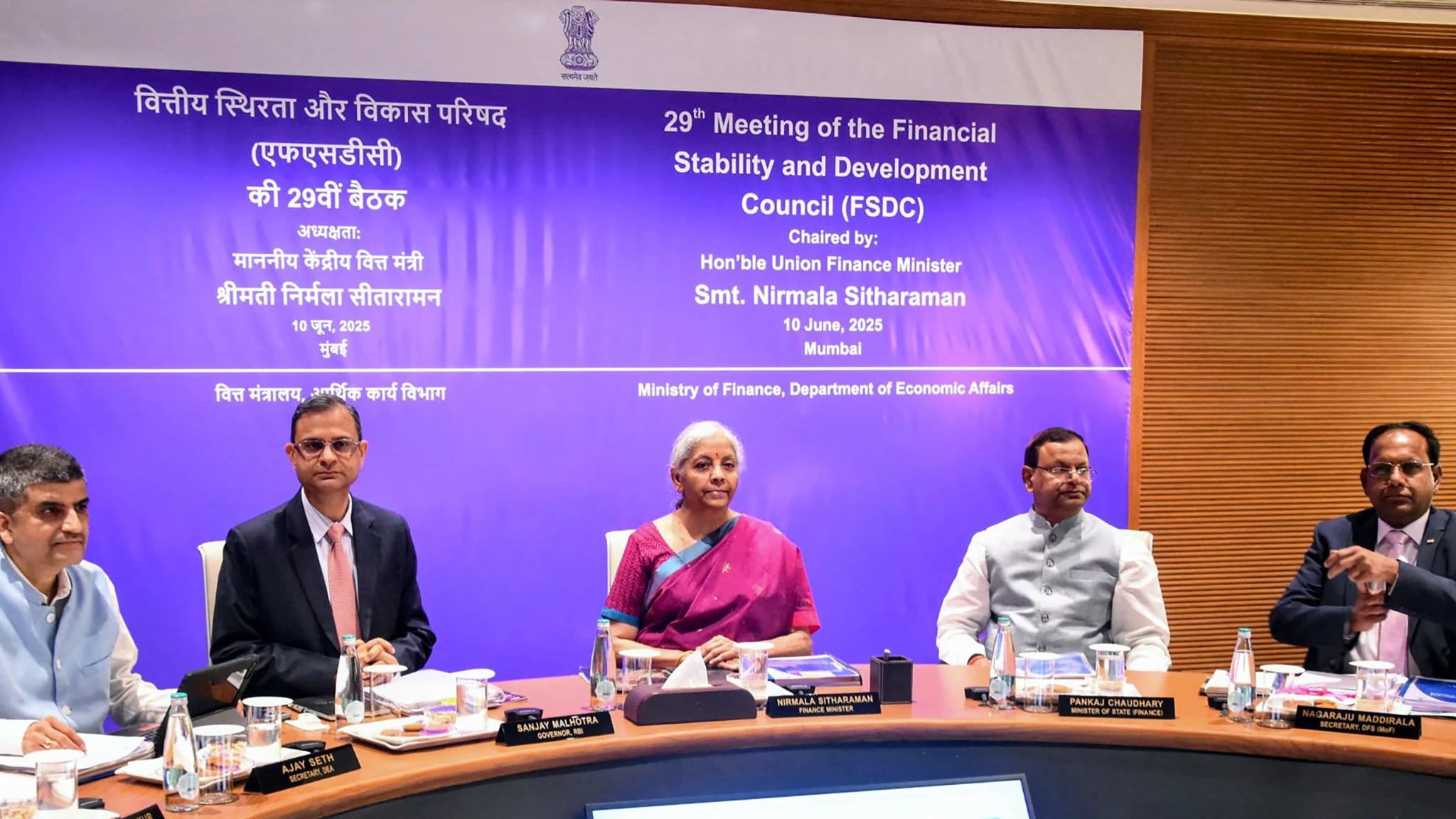
The government is gearing up for a significant overhaul of the Goods and Services Tax (GST) regime, dubbed GST 2.0. Finance Minister Nirmala Sitharaman is meeting with representatives from India Inc today to gather inputs and build consensus for the next phase of reforms. This move is driven by a desire to simplify the tax structure, reduce compliance burdens, and importantly, boost consumption.
Simplifying Tax Rates
A key proposal reportedly on the table is phasing out the 12 percent tax slab, aiming for a three-rate system of 5 percent, 18 percent, and 28 percent. Officials argue this simplification will curb litigation, improve compliance, and directly impact spending patterns more effectively than income tax changes. Resolving long-standing classification issues, especially for food items which frequently lead to disputes and revenue leakages, is also a priority, according to sources.
This push for tax simplification comes as the economy also faces potential dampeners from another crucial factor: the monsoon. While a good monsoon is essential for the agrarian economy, excessive or poorly distributed rains can cause significant disruption.
Monsoon’s Double-Edged Sword
Early monsoon rains might offer a good start for the Kharif crop season, but reports already indicate damage to the Rabi harvest and vegetable crops due to anecdotal evidence. Long dry spells or, conversely, extreme downpours can severely impact agriculture. Beyond farms, heavy rains slow down construction activities like housing and roads. They can affect coal production, reduce renewable power generation, and curb travel and tourism. Consumer demand for summer-linked products like ACs and soft drinks has already lagged due to early rains, and cement prices tend to soften during these months, tracking subdued construction activity.
Furthermore, the text points out that prolonged wet weather can lead to increased infections, although this might slightly boost demand for certain drugs, it’s hardly a positive economic indicator overall. Household income levels, crucial for consumption recovery, also remain a concern, according to a report from Motilal Oswal Financial Services referenced in the news summary.
So, as the government works towards creating a more conducive tax environment through GST 2.0 reforms, the natural forces of an potentially erratic monsoon could present immediate challenges, potentially offsetting some of the anticipated gains in consumption and business activity. Investors and businesses need to remain mindful of how these two contrasting forces might shape the economic landscape in the coming months.
Will the policy tailwinds from GST simplification be strong enough to counter the potential headwinds from an uncooperative monsoon? That’s the question everyone will be watching closely.





Leave a Reply